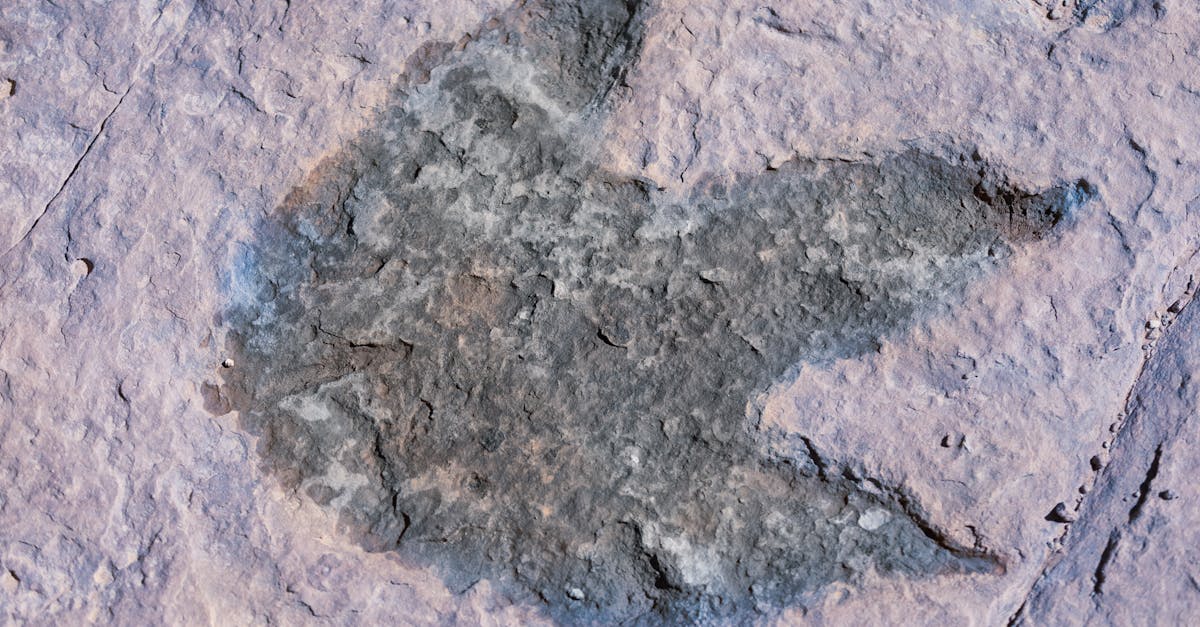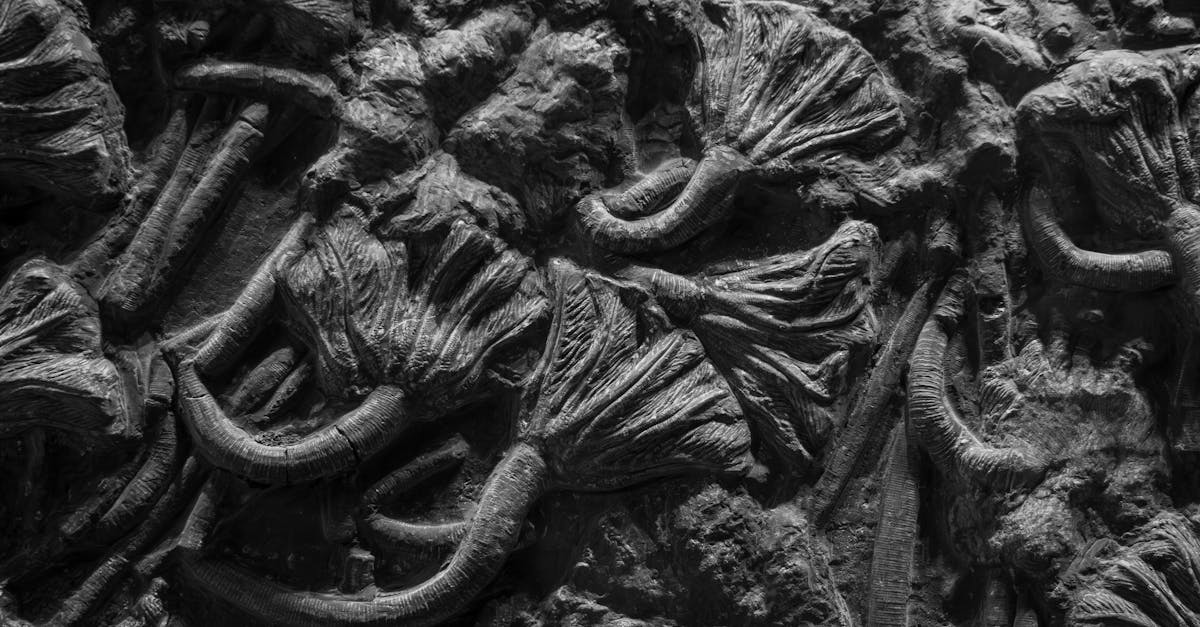
For most of human history, fossils were not evidence of ancient life but objects of mystery. Seashells embedded in mountain rocks, giant bones pulled from the ground, and strange leaf-like imprints in stone posed an uncomfortable question: how could living things end up locked inside solid rock far from oceans and forests? The discovery of fossils did not happen in a single moment. Instead, it was a slow intellectual awakening that forced humanity to rethink Earth’s age, the history of life, and our own place in nature.
In ancient civilizations, fossils were often explained away as tricks of nature or remains of mythical creatures. Large fossilized bones were attributed to giants or dragons, while smaller shells found inland were dismissed as stones that merely resembled living things. Even the word “fossil” originally meant something dug from the ground, not necessarily biological. This ambiguity allowed fossils to be studied without challenging deeply held beliefs about a young Earth and a static creation.
A crucial shift began during the Renaissance, when curiosity about the natural world intensified. Figures like Leonardo da Vinci noticed inconsistencies in traditional explanations. Leonardo observed marine fossils high in the Alps and concluded they could not have been carried there by a single biblical flood, as they appeared in orderly layers rather than chaotic deposits. His insights were remarkably modern, but they remained largely unpublished and had little immediate influence.
The real conceptual breakthrough came in the 17th century with Nicolas Steno. Steno demonstrated that fossils were the remains of once-living organisms and introduced principles of stratigraphy, showing that rock layers formed over time, with older layers lying beneath younger ones. This seemingly simple idea carried profound implications: if rocks formed slowly, then Earth must be far older than previously imagined. Fossils became time markers, preserving snapshots of life from different eras.
As fossil collections grew across Europe, unsettling patterns emerged. Some fossilized animals resembled no living species. This led to one of the most controversial ideas in science: extinction. At the turn of the 19th century, Georges Cuvier used comparative anatomy to prove that creatures like mammoths and giant marine reptiles were truly gone, not hiding in unexplored corners of the world. Extinction contradicted the belief that creation was perfect and unchanging, yet the fossil record made denial increasingly impossible.
Fossils also revealed that life had changed over time. Simple organisms appeared in older rocks, while more complex forms emerged later. This progression demanded explanation. When Charles Darwin published On the Origin of Species, fossils became critical evidence for evolution. Though the fossil record was incomplete, it showed enough transitional patterns to support the idea that species arose, changed, and disappeared over immense spans of time. Fossils transformed evolution from speculation into a theory grounded in Earth’s physical history.
One easily forgotten aspect of fossil discovery is how much resistance it faced. Fossils challenged religious interpretations, human exceptionalism, and even scientific comfort zones. Early fossil hunters were sometimes accused of fabricating evidence or misinterpreting natural rock formations. Only as geology, chemistry, and biology advanced together did fossils gain their full authority as historical documents.
Today, fossils are far more than curiosities in museum cases. They allow scientists to reconstruct ancient climates, track mass extinctions, and understand how ecosystems respond to catastrophe and change. Each fossil is a message from deep time, reminding us that Earth’s surface and its inhabitants are not fixed, but part of a long, dynamic story.
The discovery of fossils ultimately taught humanity humility. Our world is older, stranger, and more resilient than once imagined. By revealing the deep past, fossils quietly reshaped science and forever changed how we understand life on Earth.