Few processes are as quietly powerful as photosynthesis. It happens endlessly around us—in leaves, algae, and microscopic organisms—yet it underpins nearly every food chain on the planet and shapes the very air we breathe. Long before scientists understood atoms or energy, photosynthesis was already sustaining life, converting sunlight into the chemical fuel that feeds ecosystems and drives evolution itself.
At its core, photosynthesis is the process by which green plants, algae, and certain bacteria use sunlight to transform carbon dioxide and water into sugars, releasing oxygen as a by-product. This simple summary hides an astonishing reality: almost all the energy used by living things originates from this reaction. Even carnivores and decomposers ultimately depend on it, because their food sources trace back to organisms that captured sunlight first. Fossil fuels are no exception; coal, oil, and gas are stored sunlight from ancient photosynthetic life compressed over millions of years.
Understanding photosynthesis took centuries because the process defied common sense. For a long time, people believed plants fed directly on soil. This idea began to unravel in the 18th century, when experiments showed that plants could restore air made “unbreathable” by burning candles or animals. One of the first to demonstrate this was Joseph Priestley, who noticed that plants somehow repaired damaged air, though he did not yet know why. Soon after, Jan Ingenhousz revealed a crucial missing piece: light. He showed that plants only purified air when exposed to sunlight and that the process occurred in their green parts.
The real breakthrough came when scientists realized that photosynthesis was not just about air, but about energy. Sunlight was being captured and stored in chemical bonds, a concept that would later become central to biology and chemistry. Chlorophyll, the green pigment in leaves, turned out to be the key molecule, absorbing light and triggering a cascade of reactions inside specialized structures called chloroplasts. These reactions are astonishingly efficient, precise, and universal across much of life.
What is often forgotten is that photosynthesis is not a single reaction, but a carefully coordinated sequence. Light-dependent reactions convert solar energy into temporary energy carriers, while light-independent reactions—sometimes misleadingly called “dark reactions”—use that energy to assemble sugars from carbon dioxide. The mapping of these steps reached a milestone in the mid-20th century with the work of Melvin Calvin, whose research revealed how carbon atoms are fixed into organic molecules. This work connected photosynthesis directly to the global carbon cycle and earned a Nobel Prize.
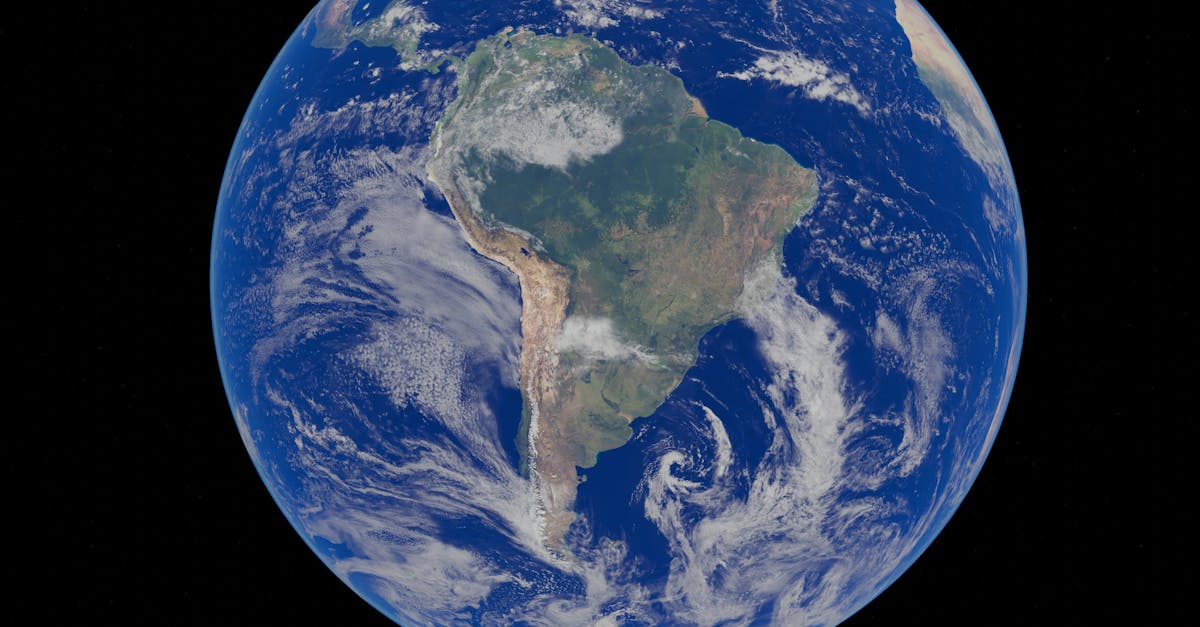
The consequences of photosynthesis extend far beyond food production. The oxygen released by early photosynthetic organisms transformed Earth’s atmosphere in what is known as the Great Oxidation Event. This change made complex, oxygen-using life possible and reshaped the planet’s geology and climate. Without photosynthesis, Earth would likely resemble lifeless worlds like Mars—rocky, thin-aired, and biologically silent.
Even today, photosynthesis remains central to some of humanity’s biggest challenges. Climate change, food security, and renewable energy research all circle back to this ancient process. Scientists are trying to improve crop photosynthesis, engineer artificial versions that produce fuels, and better understand how forests and oceans regulate carbon dioxide levels. Each effort builds on the same fundamental insight: sunlight can be turned into life.
Photosynthesis is often taught early in school, which can make it feel familiar or even mundane. Yet it is one of the most extraordinary discoveries in science—a process that links stars to cells, light to life, and the atmosphere to every meal we eat. Remembering how it was uncovered, and how deeply it shapes our world, reveals just how fragile and remarkable Earth’s living system truly is.