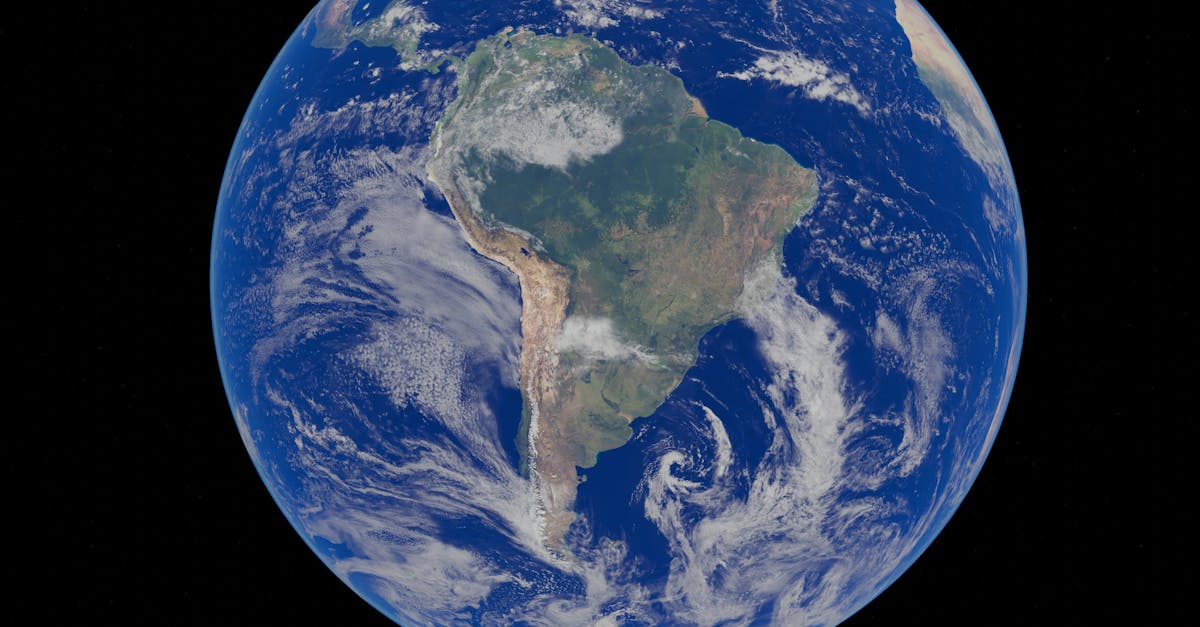
The carbon cycle is one of the most fundamental systems that makes our planet livable, yet it often works so quietly that it is easy to overlook. Carbon is the backbone of life, forming the complex molecules that build cells, tissues, and entire ecosystems. At the same time, carbon constantly moves between the air, the oceans, the land, and living organisms, linking all of these components into a single, planet-wide process. Understanding the carbon cycle means understanding how life, climate, and the chemistry of Earth are deeply connected.
At its simplest, the carbon cycle describes how carbon atoms circulate through different reservoirs. In the atmosphere, carbon mainly exists as carbon dioxide, a gas that plays a crucial role in regulating temperature by trapping heat. Plants, algae, and certain bacteria pull this carbon dioxide from the air or water during photosynthesis, using energy from sunlight to build sugars and other organic molecules. In doing so, they convert inorganic carbon into living matter, forming the base of nearly all food chains.
Once carbon enters living organisms, it rarely stays put for long. Animals consume plants or other animals, transferring carbon through ecosystems. Respiration then returns much of this carbon to the atmosphere as carbon dioxide, a reminder that every breath is part of a global chemical exchange. When organisms die, decomposers such as bacteria and fungi break down their remains, releasing carbon back into the air or soil. Some of this carbon becomes trapped in sediments, where it can remain locked away for thousands or even millions of years.
The oceans are an especially important, and often underestimated, part of the carbon cycle. Seawater absorbs enormous amounts of carbon dioxide directly from the atmosphere. Once dissolved, carbon dioxide reacts with water to form carbonic acid, bicarbonate, and carbonate ions. Marine organisms like plankton, corals, and shell-forming animals use these carbon compounds to build skeletons and shells. When they die, their remains can sink to the seafloor, carrying carbon into deep ocean sediments. Over geological timescales, this process has helped regulate atmospheric carbon dioxide and stabilize Earth’s climate.
What is less commonly remembered is that the ocean does not simply absorb carbon passively. Ocean currents, temperature, and biology all influence how much carbon the sea can hold. Cold waters absorb more carbon dioxide than warm ones, which is why polar regions are particularly important carbon sinks. Changes in ocean circulation or warming temperatures can reduce the ocean’s ability to absorb carbon, leaving more in the atmosphere and amplifying climate change.
The land also stores vast amounts of carbon, especially in forests and soils. Trees act as long-term carbon reservoirs, locking carbon into wood for decades or centuries. Soils, rich in organic matter from dead plants and microbes, actually store more carbon than the atmosphere and all vegetation combined. Disturbing these systems through deforestation or intensive agriculture can release this stored carbon back into the air, altering the balance of the cycle.
Human activity has become a powerful new force in the carbon cycle. By burning fossil fuels, which are essentially ancient carbon stored underground, we are rapidly transferring carbon into the atmosphere. This shift is happening far faster than natural processes can counteract. While the oceans and land absorb some of this excess carbon, they cannot keep up indefinitely, leading to rising atmospheric carbon dioxide levels and a warming climate.
The carbon cycle is not just a scientific concept; it is a living system that connects every organism and environment on Earth. From microscopic plankton drifting in the sea to forests stretching across continents, and from the air we breathe to the soil beneath our feet, carbon is constantly on the move. Recognizing how tightly life, oceans, and atmosphere are linked by this cycle is essential for understanding both the planet’s past and the challenges it faces in the future.