Before batteries existed, energy was something that had to be generated exactly where it was used. Motion came from muscles, wind, or flowing water, and electricity—once it was understood—was a laboratory curiosity that vanished the moment an experiment ended. Electrochemistry changed that balance forever by revealing that chemical reactions could be controlled, slowed, and stored in a way that made power portable. Batteries are the quiet result of that discovery, and their story is as much about understanding matter as it is about convenience.
At its core, electrochemistry studies how chemical reactions move electrons. Long before anyone imagined smartphones or electric cars, scientists noticed that certain metals immersed in liquids could produce small electrical effects. These early observations were puzzling because electricity was still thought of as a kind of fluid or spark, not something tied to chemistry. The breakthrough came in 1800, when Alessandro Volta built the first true battery, the voltaic pile. By stacking discs of zinc and copper separated by salt-soaked cloth, Volta showed that a steady electric current could be generated continuously. This was revolutionary: electricity was no longer fleeting, but something that could be produced on demand.
What made the voltaic pile so important was not its power—it was weak and unstable—but the principle behind it. Chemical differences between materials could push electrons in a single direction, creating usable current. This idea laid the groundwork for electrochemistry as a scientific field. Soon, researchers realized that electricity could also drive chemical reactions, not just emerge from them. That insight allowed scientists like Michael Faraday to uncover laws linking electric charge to chemical change, turning batteries into precision tools for studying matter itself.
Early batteries, however, were messy, unreliable, and often dangerous. Leaking acids, corroding metals, and rapidly declining performance limited their practical use. The next major step came with designs like the Daniell cell, which separated chemical reactions to produce a more stable voltage. This may sound like a small improvement, but it made batteries predictable enough to power telegraphs, the first global communication network. For the first time, information could travel faster than physical transport, carried by electrical signals sustained by chemical reactions inside simple cells.
As electrochemistry matured, batteries spread quietly into everyday life. Flashlights, radios, and medical devices all relied on refinements in electrode materials and electrolytes. One easily forgotten fact is that for much of the twentieth century, battery progress was incremental rather than dramatic. Engineers focused on reliability, shelf life, and safety rather than raw energy. These “boring” improvements are why batteries became trustworthy household objects rather than laboratory hazards.
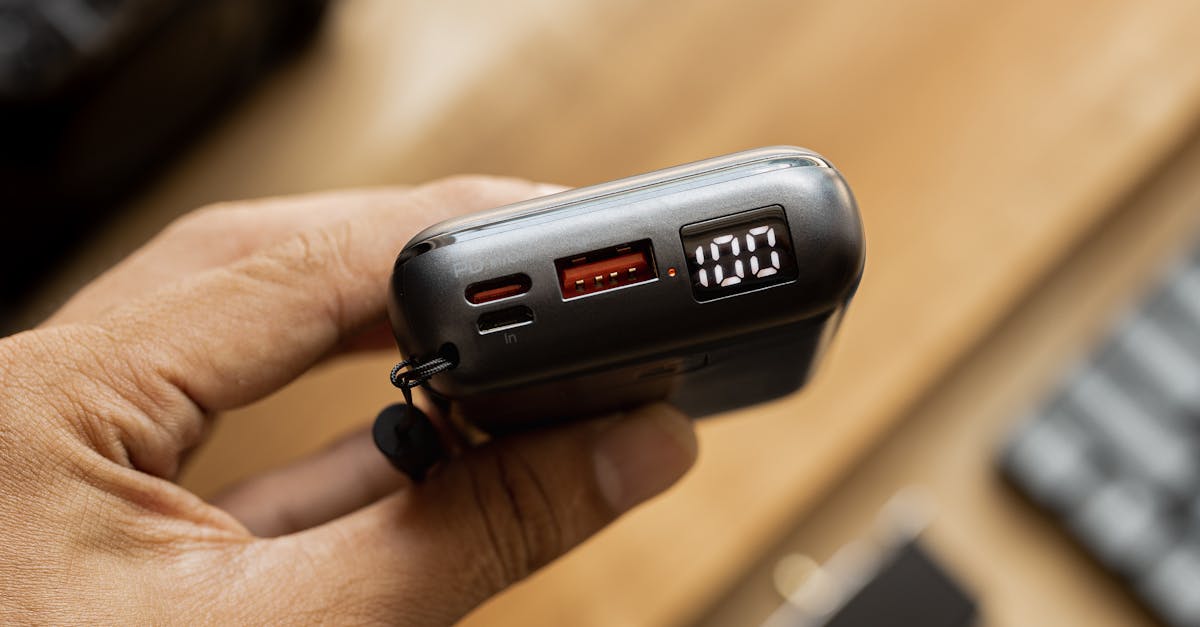
The modern explosion of portable power came with the development of the lithium-ion battery. Lithium’s chemistry allows electrons to move with exceptional efficiency, storing large amounts of energy in a small space. Unlike earlier batteries, lithium-ion cells can be recharged hundreds or thousands of times without significant loss, making truly mobile electronics possible. Laptops, phones, and wireless tools are not just products of digital innovation but of electrochemical mastery.
What is often overlooked is how deeply batteries have reshaped human behavior. Portable power changed when and where people could work, communicate, and explore. It freed technology from walls and cables, enabling devices to follow users rather than anchor them. At the same time, electrochemistry now sits at the center of major global challenges, from renewable energy storage to electric transportation. The same principles discovered in simple metal stacks now influence climate strategies and infrastructure planning.
Electrochemistry made batteries possible by revealing that chemistry could be disciplined into a reliable source of electrons. Batteries, in turn, transformed electricity from a place-bound phenomenon into something that could fit in a pocket. Every time a device powers on without being plugged in, it is quietly repeating a lesson learned two centuries ago: matter itself can be persuaded to store motion, waiting patiently until we ask for it.