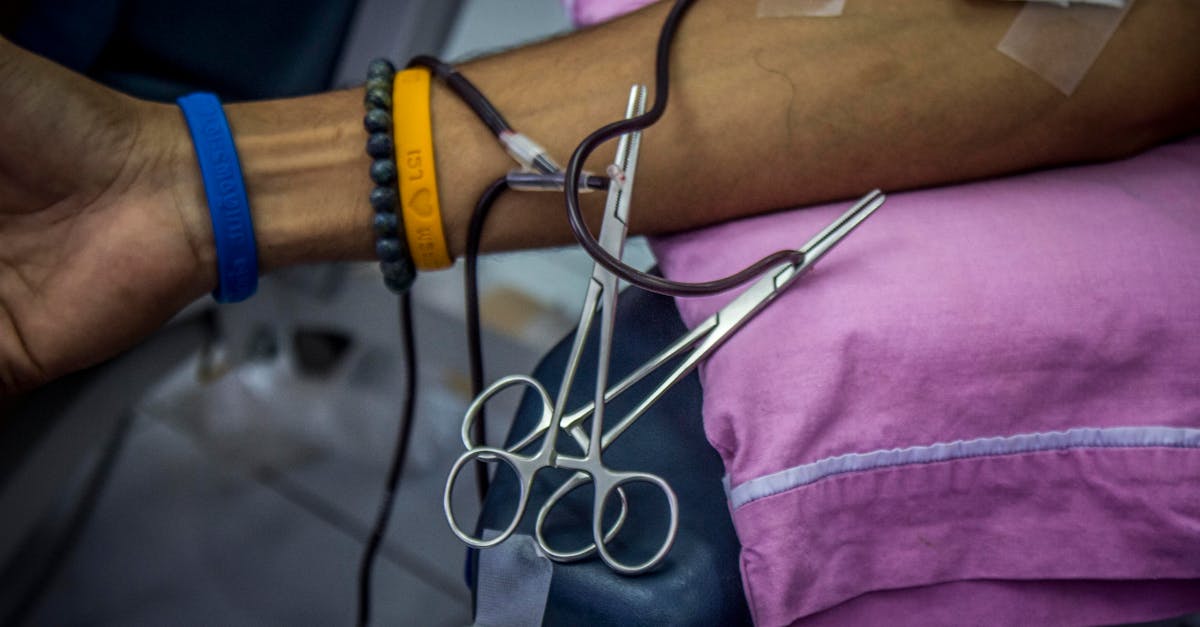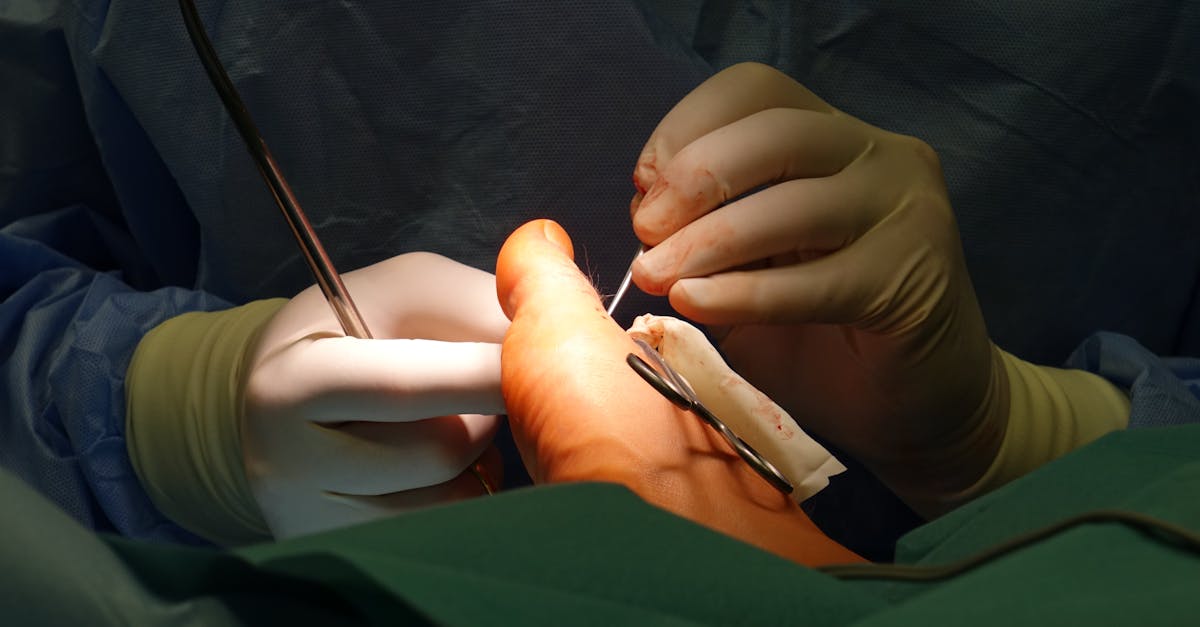
For most of human history, surgery was an act of raw endurance. Operations were performed quickly, brutally, and only when absolutely necessary, because pain was not just a side effect—it was the defining feature. Surgeons prized speed over precision, and patients were restrained, intoxicated, or simply forced to bear the agony. The arrival of anesthesia in the 19th century quietly transformed this grim reality, turning surgery from a last resort into a precise, life-saving science and laying the foundation for modern medicine.
Before anesthesia, pain dictated what was surgically possible. Even skilled surgeons could not operate for long, and complex procedures inside the body were almost unthinkable. Amputations, one of the most common operations, were timed in seconds, not minutes. Infection was rampant, but pain was the immediate and overwhelming fear. This limitation meant that many conditions we now consider treatable—tumors, internal injuries, congenital defects—were simply endured until death or disability followed.
The breakthrough came when doctors began to realize that pain might be controlled without killing the patient. Early experiments with gases like nitrous oxide were more spectacle than science, often demonstrated at public lectures where volunteers laughed or collapsed. It took the insight and courage of individuals such as William T. G. Morton, a dentist who believed that ether could safely render patients unconscious. In 1846, Morton publicly demonstrated ether anesthesia during surgery in Boston. The patient felt no pain, and the surgeon operated calmly and methodically. The reaction was immediate and electric. For the first time, surgery without suffering seemed possible.
This moment marked more than a technical advance; it changed how doctors thought about the human body. Once pain was no longer the primary obstacle, surgeons could slow down, explore anatomy carefully, and attempt procedures that required patience and delicacy. Operations inside the abdomen, chest, and later the brain became feasible. Anesthesia did not just remove pain—it expanded imagination.
Another crucial figure was James Young Simpson, who introduced chloroform as an anesthetic alternative. Chloroform acted faster and was easier to administer, helping anesthesia spread rapidly across Europe. Its use during childbirth, including by Queen Victoria, also helped overcome moral and religious objections that claimed pain was a natural or even necessary part of human suffering. Anesthesia began to be seen not as a dangerous indulgence, but as a humane medical tool.
What is often forgotten is how anesthesia reshaped everything around surgery, not just the operation itself. Longer, more complex procedures required cleaner environments, better instruments, and trained surgical teams. This indirectly encouraged advances in antiseptics, hospital design, and medical education. Without anesthesia, later breakthroughs like sterile technique or organ transplantation would have had nowhere to take root.
Anesthesia also transformed the patient’s experience. Fear of surgery, once entirely rational, slowly diminished. Patients could consent to procedures knowing they would not endure unbearable pain. This trust between doctor and patient became a cornerstone of modern healthcare. Surgery shifted from a traumatic spectacle to a controlled medical intervention.
Today’s anesthesia is a sophisticated science involving carefully balanced drugs, monitoring systems, and specialized physicians. Modern anesthesiologists manage pain, consciousness, breathing, and vital functions with extraordinary precision. Yet this complexity rests on a simple, revolutionary idea: that pain can be separated from healing. That insight unlocked the body for exploration and repair in ways earlier generations could barely imagine.
In many histories of medicine, anesthesia is treated as one invention among many. In reality, it is the quiet hinge on which modern surgery turns. By allowing patients to sleep through the knife, anesthesia gave surgeons the time, control, and confidence needed to truly heal—changing medicine forever, one painless incision at a time.