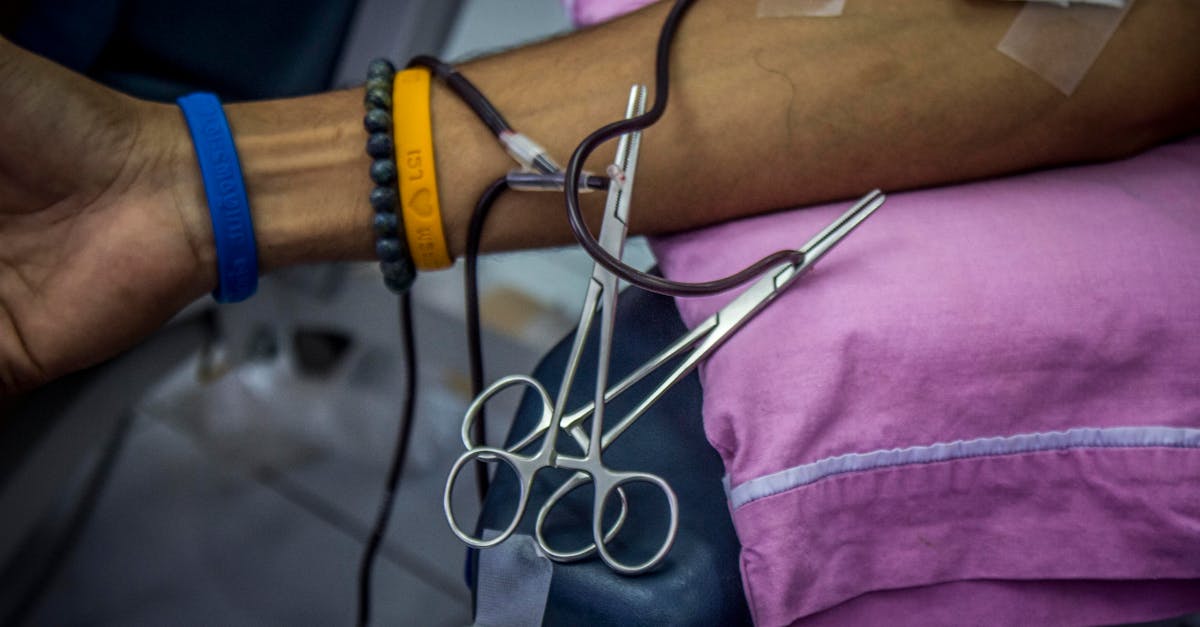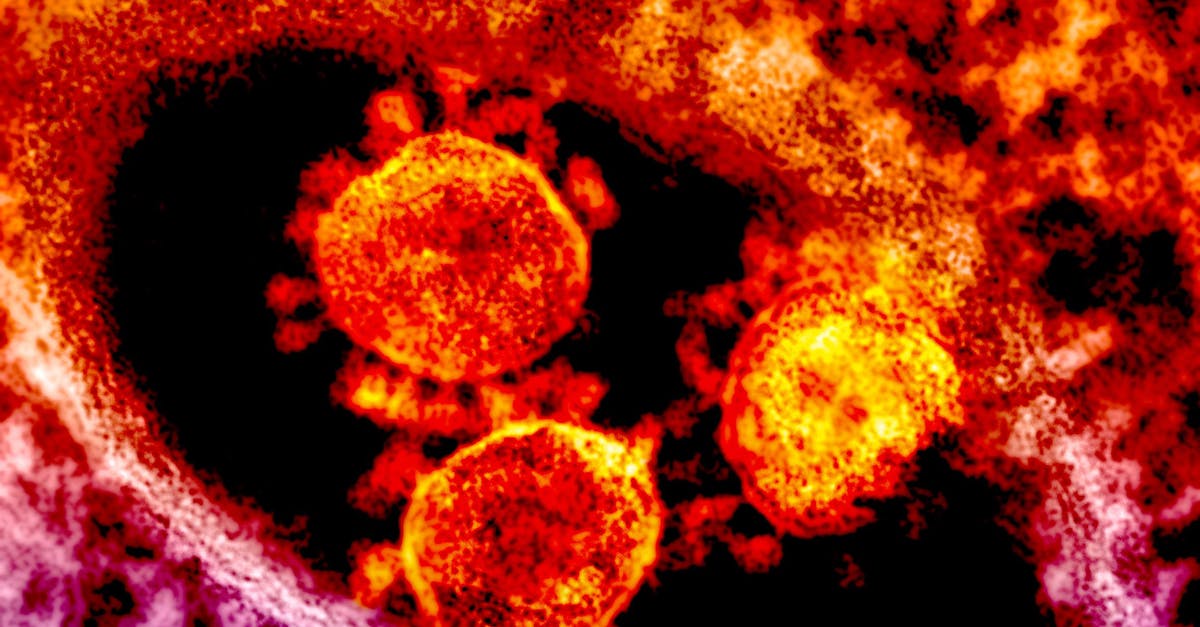
For most of human history, sickness was explained by what people could smell, see, or feel. Bad air, foul vapors, imbalanced bodily fluids, or divine punishment were all blamed for disease. Hospitals were places of last resort where infection spread easily, surgeons operated with unwashed hands, and childbirth was often more dangerous than war. The idea that invisible organisms could quietly invade the body and cause illness sounded more like superstition than science. Yet the realization that life too small to see could shape life and death would become one of the most revolutionary ideas medicine has ever known.
Germ theory did not appear overnight. Early observers had noticed patterns that didn’t fit old explanations. Diseases seemed contagious, spreading from person to person even when no obvious cause could be identified. Still, without microscopes powerful enough to show microbes clearly, these suspicions remained speculative. The turning point came in the nineteenth century, when laboratory science began to reveal a hidden world. Figures like Louis Pasteur demonstrated that microorganisms were not spontaneous products of decay but living agents capable of growth and reproduction. His experiments on fermentation and spoilage quietly undermined the belief that disease emerged from rotting matter alone.
Around the same time, other researchers pushed the idea further into medicine. Robert Koch identified specific bacteria responsible for specific diseases, providing clear evidence that microbes were not just present during illness but were its cause. This idea seems obvious today, but at the time it was deeply unsettling. Accepting germ theory meant admitting that the greatest threats to health were often invisible and everywhere: on hands, tools, water, and even in the air.
One of the most tragic illustrations of this resistance came from the work of Ignaz Semmelweis. He noticed that women giving birth in hospitals staffed by doctors died far more often than those attended by midwives. His solution was shockingly simple: doctors should wash their hands. Mortality rates dropped dramatically, yet his ideas were dismissed because they conflicted with established beliefs. Germ theory had not yet provided the language to explain why cleanliness worked, so the evidence was ignored.
Once germs were accepted as real causes of disease, medicine changed rapidly. Surgeons like Joseph Lister began using antiseptics to clean wounds and instruments, transforming surgery from a desperate gamble into a reliable treatment. Hospitals slowly became places of healing rather than breeding grounds for infection. Even everyday habits such as bathing, food preservation, and water sanitation took on new importance as people realized that cleanliness was not just about comfort or morality but survival.
Germ theory also reshaped how doctors thought about prevention. Instead of waiting for disease to strike, medicine could now act in advance through vaccination, sterilization, and public health measures. The idea that microscopic organisms could be targeted, weakened, or eliminated laid the groundwork for antibiotics and modern immunology. At the same time, it forced society to confront uncomfortable truths: that human senses are limited, and that some of the most powerful forces affecting health operate beyond direct perception.
Perhaps the most overlooked impact of germ theory is philosophical. It changed how humanity understood its place in nature. Humans were no longer seen as isolated from their environment but deeply entangled with an unseen ecosystem of microbes. Some of these organisms cause disease, while others are essential for digestion, immunity, and life itself. The invisible world turned out to be not just an enemy, but a complex partner.
Germ theory rewrote the rules of medicine by teaching a humbling lesson: what we cannot see can still control our fate. By accepting the existence of invisible causes, medicine learned to become cleaner, more precise, and more preventive. In doing so, it transformed fear and mystery into knowledge—and saved countless lives in the process.